

balanceMyofunctional Therapy
myofunctional therapy dentist in Burke, VA
Did you know that simple, targeted exercises can help you breathe more easily, relieve jaw pain or headaches, and make your orthodontic results last longer? Many of the most common issues we treat—such as sleep apnea, TMJ dysfunction, and orthodontic relapse—can be improved through Myofunctional Therapy, a gentle, exercise-based approach that retrains the muscles of the tongue, lips, and face for optimal function.
At Pamela Marzban DDS, we integrate Orofacial Myofunctional Therapy (OMT) as part of our airway- and function-focused care. Dr. Pamela Marzban works closely with certified Myofunctional Therapist Admarys Allones, CDA, to design customized exercise programs that support long-term oral health, proper breathing, and overall well-being.

What Is Myofunctional Therapy?
Myofunctional Therapy is a personalized program of isometric and isotonic exercises designed to strengthen and retrain the muscles of the tongue, lips, jaw, and face. These exercises correct bad habits—like mouth breathing or tongue thrusting—and build healthy new ones that support proper breathing, chewing, swallowing, and posture.
Both children and adults can benefit from this therapy, especially those with airway concerns, jaw pain, orthodontic issues, or speech difficulties.

Goals of Myofunctional Therapy
Our primary goals with Myofunctional Therapy include:
Encouraging nasal breathing and eliminating mouth breathing
Developing strength and tone in the tongue, lips, and facial muscles
Promoting proper tongue posture (resting on the roof of the mouth)
Teaching the lips to rest gently closed
Correcting improper chewing, swallowing, or speech patterns
Supporting facial balance, airway health, and stable orthodontic results
These goals are simple but powerful. They promote healthier muscle coordination and can lead to major improvements in breathing, sleep, and overall facial development.
How Myofunctional Therapy Works
The muscles, bones, and teeth of the face develop together—and when one is out of balance, the others are affected. Myofunctional Therapy restores harmony by retraining muscles to function as they should.
During your program, we will:
1) Identify Orofacial Myofunctional Disorders (OMDs) such as:
Poor tongue posture or tongue thrust
Mouth breathing or lips that stay open
Jaw tension or poor swallowing technique
2) Design a personalized routine of simple daily exercises
3) Monitor your progress over 6–12 months, adjusting the plan as needed
Over time, you’ll notice significant improvements in muscle tone, posture, and breathing—and often in the appearance and comfort of your smile.
When to Consider Myofunctional Therapy
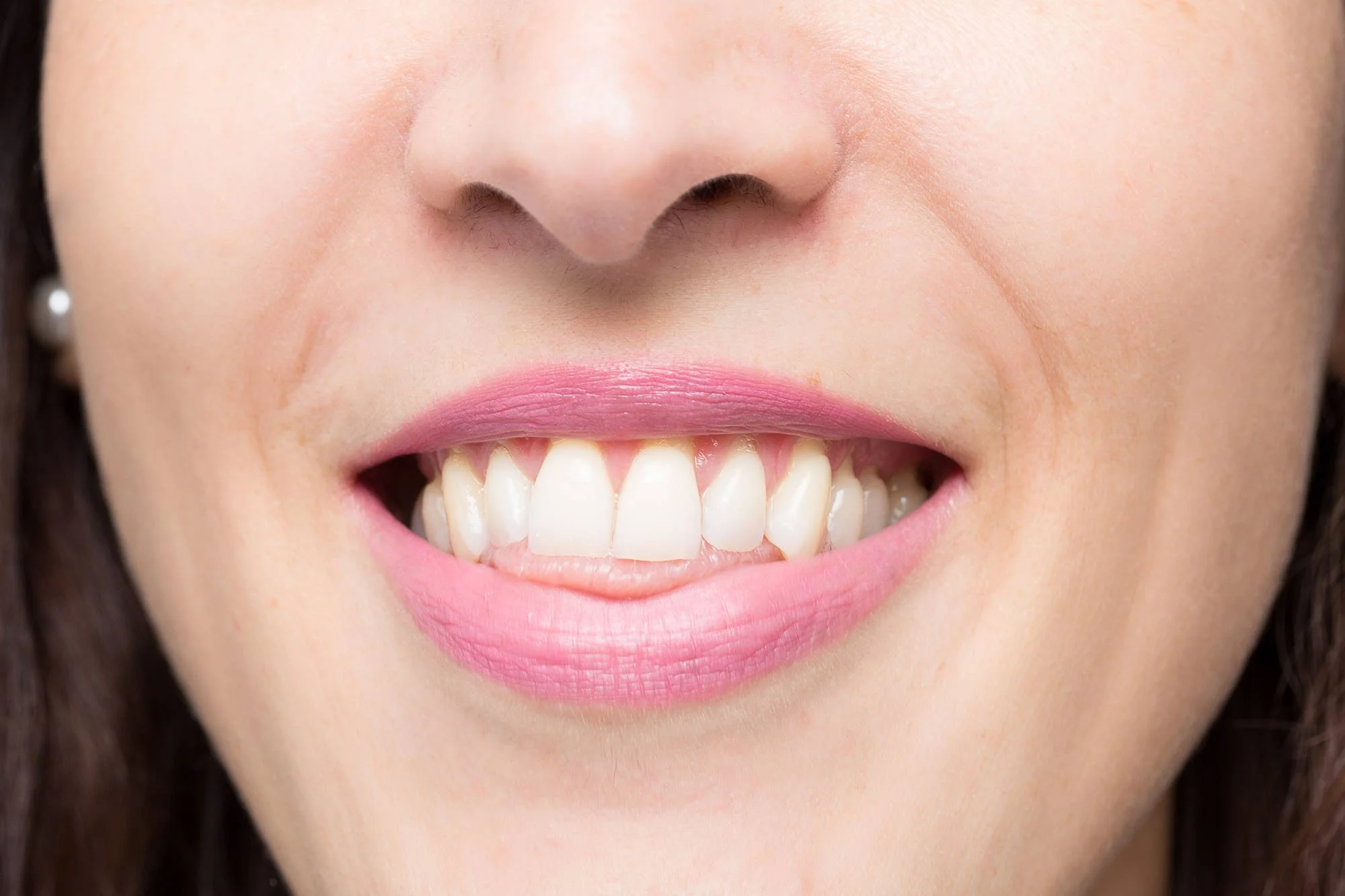
Myofunctional Therapy can be beneficial if you experience:
Difficulty chewing or swallowing
Speech challenges
TMJ symptoms (jaw pain, tension, headaches)
Bruxism (clenching or grinding teeth)
Orthodontic relapse after braces
Mouth breathing or lips that remain open at rest
Treatment can be a primary therapy or an adjunct to enhance other treatments such as orthodontics, airway therapy, or TMJ care.
How It Supports Orthodontic and Airway Health
-
Prevents Orthodontic Relapse
Your teeth are guided by the forces of your tongue, lips, and cheeks. If those forces are unbalanced, teeth can shift even after braces or Invisalign®. Myofunctional Therapy retrains these muscles, helping your teeth and jaws stay aligned naturally—reducing the need for long-term retainers.
-
Improves Airway Function and Sleep
Research shows that Myofunctional Therapy can reduce sleep apnea symptoms by up to 50%. Strengthening the tongue and oropharyngeal muscles helps open the airway, improving airflow during sleep and reducing snoring.
-
Enhances TMJ and Bite Health
By retraining jaw and tongue function, this therapy complements TMJ treatments such as splints or neuromuscular orthotics. Proper muscle coordination helps prevent clenching, reduces pain, and protects teeth and joints from wear.
The Role of Tongue-Tie in Myofunctional Disorders
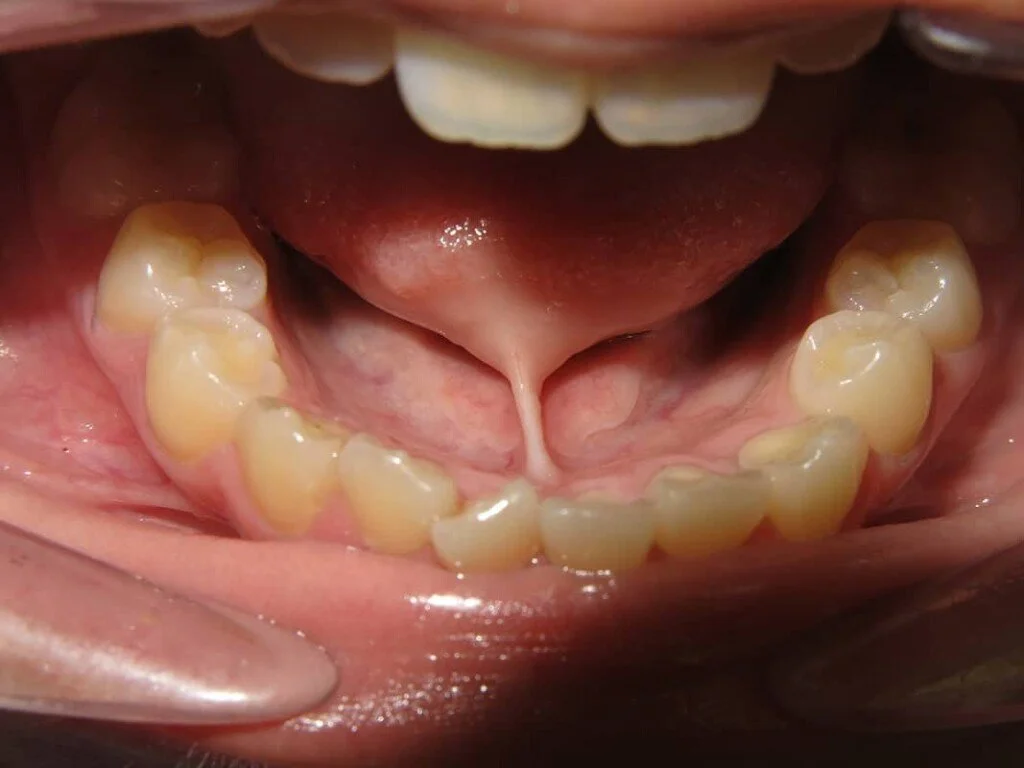
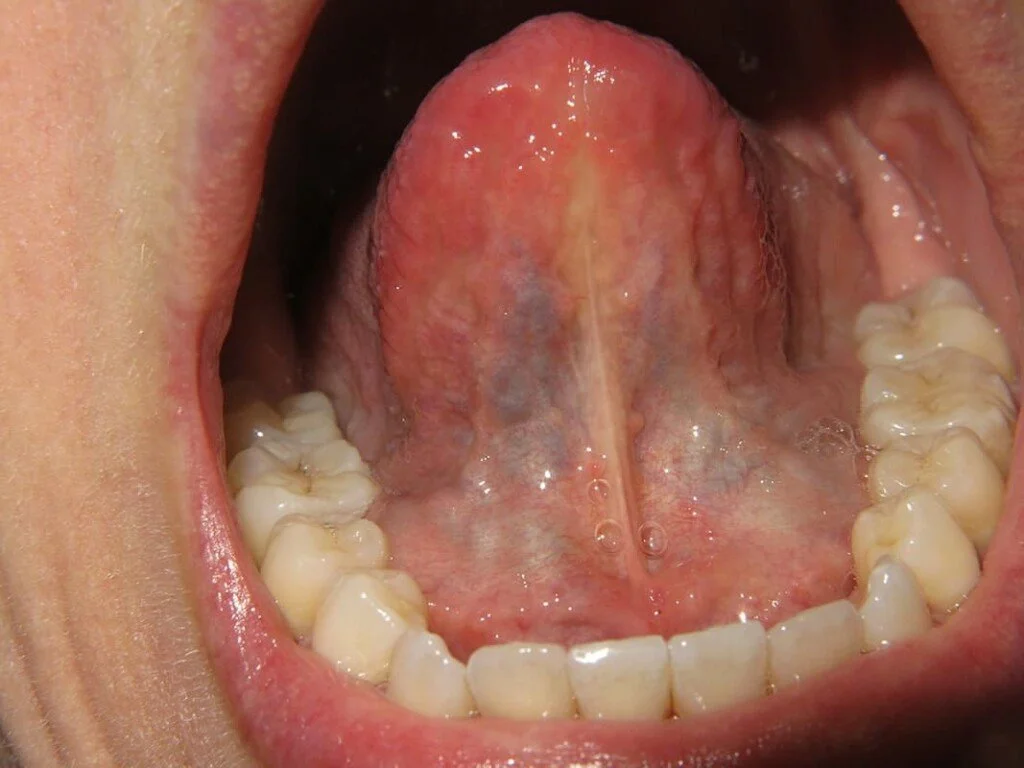
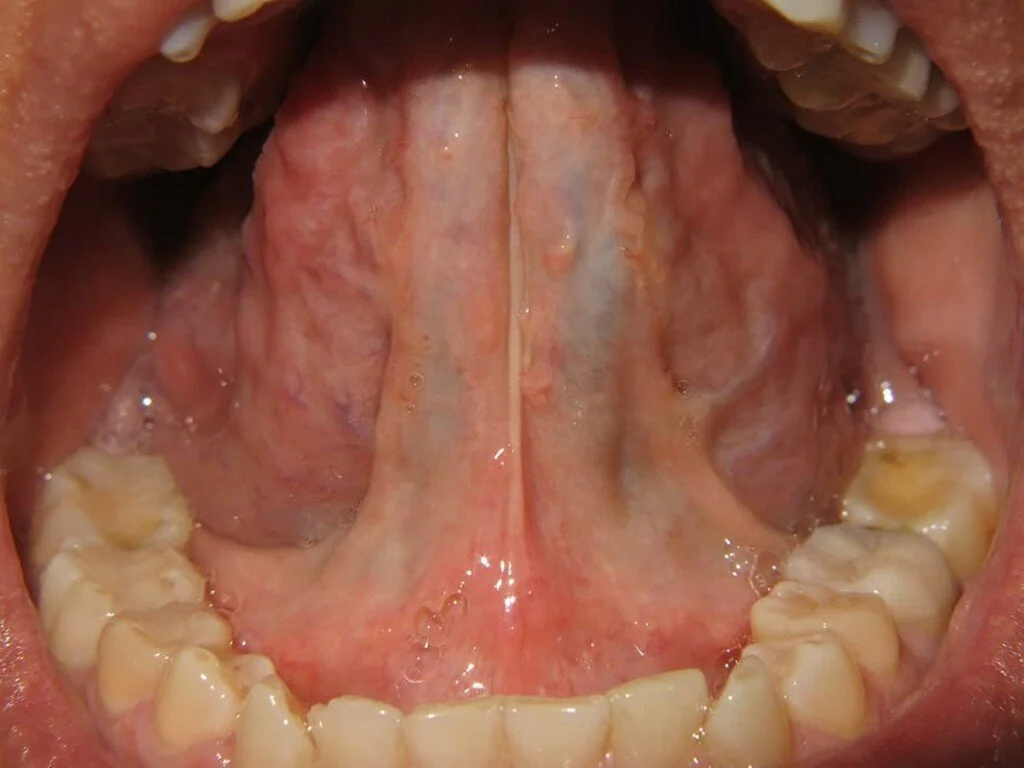
In some cases, a tongue-tie (restricted tissue beneath the tongue) can limit movement and make exercises difficult. Dr. Marzban and her team can evaluate whether a tongue-tie release or CO₂ laser frenectomy would support better results and comfort during therapy. Types of tongue-tie include:
✦ Tip of the Tongue Tie ✦ Anterior Tongue Tie ✦ Posterior Tongue Tie ✦
Releasing these restrictions often allows for faster, more complete progress in therapy.
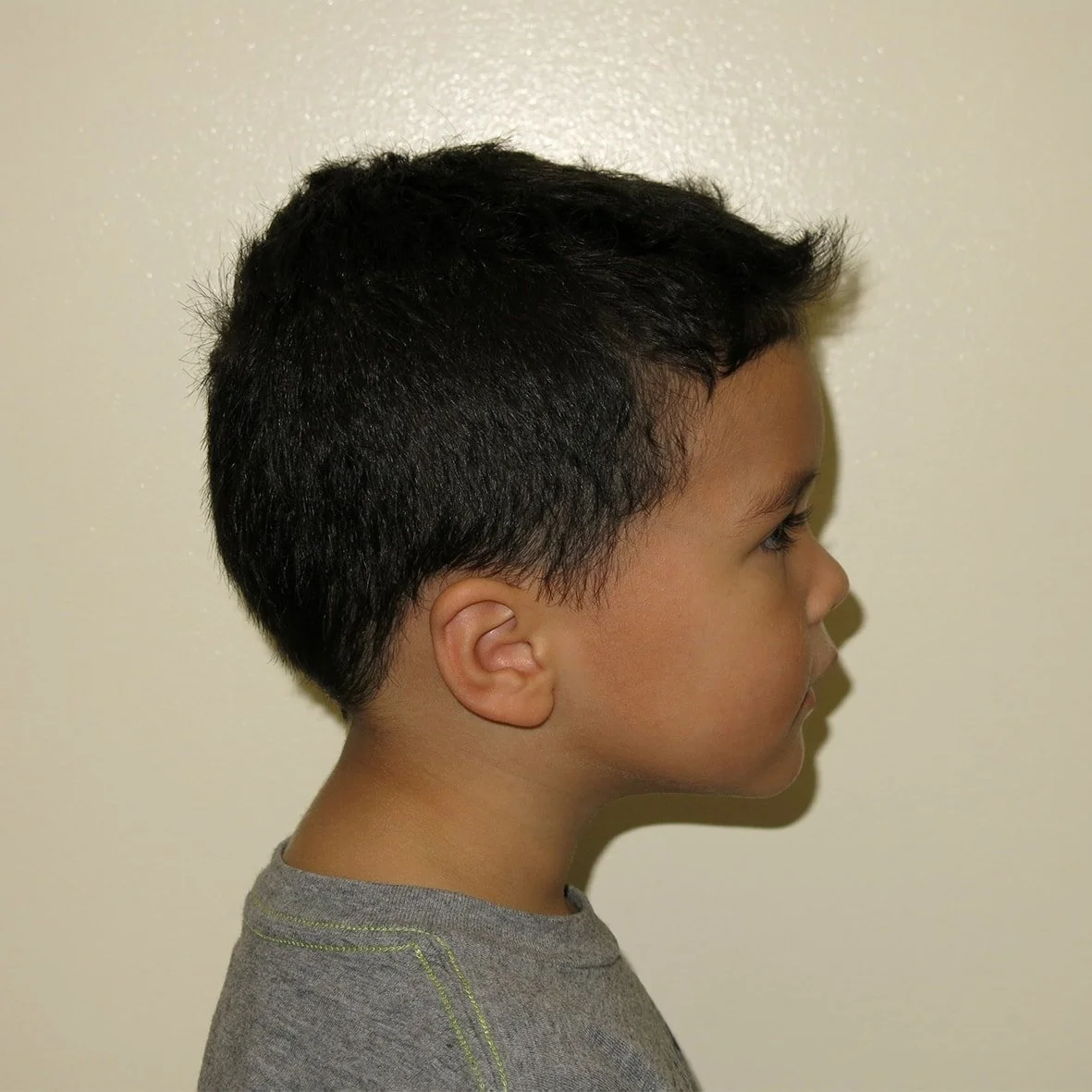
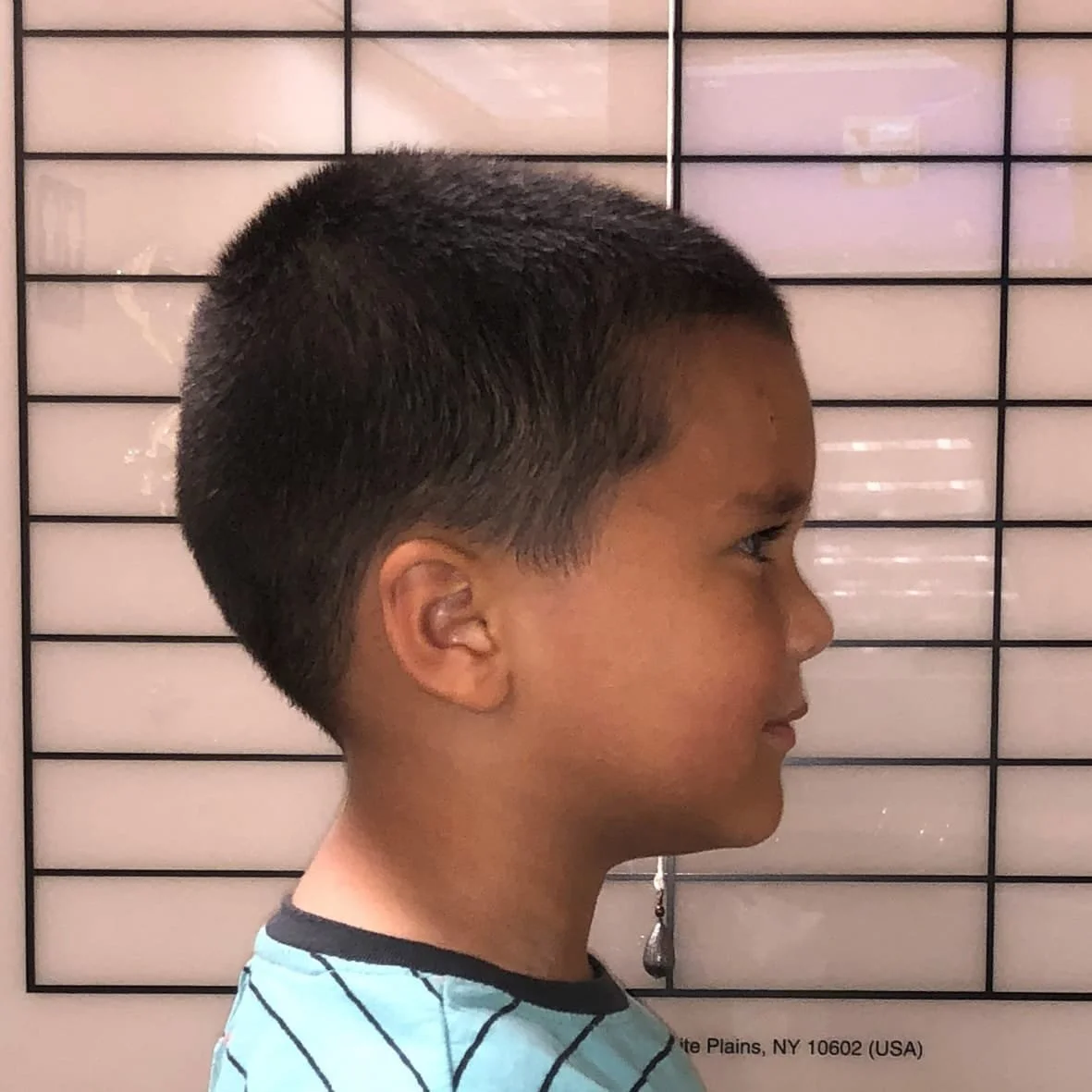
Before and After Myofunctional Therapy
Patients frequently notice improvements not only in breathing and comfort but also in posture and facial balance.
What Myofunctional Therapy Can Do for You
Whether you’re dealing with sleep apnea, TMJ pain, or orthodontic relapse, Myofunctional Therapy helps address the underlying cause—muscle imbalance—so that your improvements last.
To learn more about Orofacial Myofunctional Therapy in Burke, Fairfax, and Fairfax Station, VA, call 703-323-8200 or contact Dr. Pamela Marzban online to schedule a consultation.